On this page
Yes, you can hatch quail in an apartment. Use a small forced-air incubator with a quail tray, set it on a shelf in an interior room or closet that stays 65–75°F, away from sun and vents, and run it at 99.5°F (37.5°C). Coturnix quail hatch in 17–18 days. Plan a covered tote brooder at 95°F, and check local rules first.
Why Coturnix quail suit small spaces
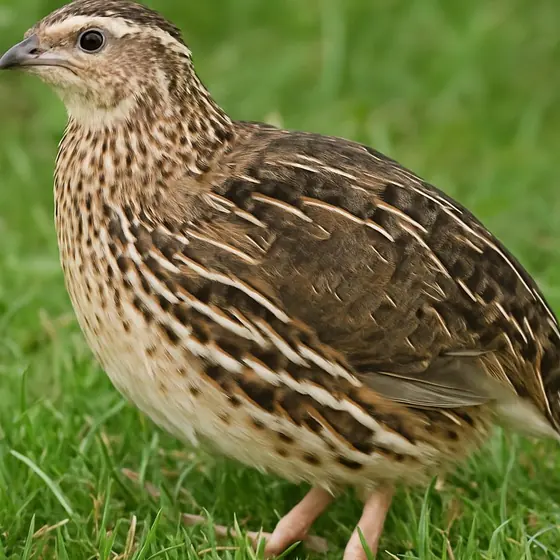
Coturnix (Japanese) quail are the easiest bird to hatch and raise where space is tight. Their eggs hatch in 17–18 days, a shorter incubation than any common poultry, and a dozen eggs fit in a corner of a small incubator. The chicks feather out quickly, and hens typically start laying at around 6–8 weeks old. Adults are small enough that a modest hutch or cage holds a small covey.
Bobwhite quail are a different project. They take 23–24 days to hatch, are flightier, and in many states they are regulated as native game birds. For a first small-space hatch, start with Coturnix. Our breed comparison covers the common Coturnix color varieties, and the quail incubation guide has the full day-by-day settings.
Where should the incubator go in an apartment?
Put it somewhere dark, quiet and temperature-stable: an interior room, a closet shelf, or a low bookshelf away from windows. The room should hold 65–75°F day and night. Small tabletop incubators have thin walls, so they track the room around them; a stable room makes an inexpensive incubator perform far better.
- Avoid sunny windowsills, the top of the refrigerator (heat and vibration), spots near radiators, heating or AC vents, and exterior doors.
- Leave a closet door ajar. Eggs need fresh air, and a small closed closet can warm up from the incubator's own heat.
- Choose a level, sturdy surface where pets, kids and vacuum cleaners won't bump it.
- Put a cheap thermometer in the room for the test run so you can see the overnight low.
What size incubator do you need for quail?
A small tabletop unit sold for 12–24 chicken eggs is enough for most apartment hatches. Quail eggs are roughly a fifth the size of a chicken egg, so on a proper quail tray the same machine often holds two to three times as many quail eggs. Look for a fan (forced air), an automatic turner, and quail rails or a quail tray, because quail eggs slip and tip in chicken-sized slots. An external water port is a bonus, since you won't have to lift the lid to add water. See our incubator picks for models that ship with quail inserts.
Run the incubator empty for 24–48 hours first, and check it against a second thermometer at egg height. Then incubate at 45–50% humidity until day 15, stop turning, and raise humidity to 65–70% for lockdown. The hatch date calculator gives you every date from your set day, and our first-time hatcher mistakes list covers the traps to avoid.
Noise and odor: what to expect
During incubation there is almost nothing to notice. Most small incubators make a soft fan hum and an occasional click from the turner, and they have no smell. The one exception is a bad egg: an egg that smells, leaks or turns dark and cloudy at candling should come out right away, because rotten eggs can burst.
After hatch, things change. Chicks peep constantly, loudest when they are cold or hungry. Adult Coturnix hens make soft trills, but males crow. It is a short, buzzy call rather than a rooster's crow, yet it carries through walls and often starts at dawn. If you're in a shared building, plan to keep mostly hens.
Odor comes from droppings, and quail produce a lot for their size. Ammonia builds within a few days in a brooder with deep, damp bedding. Daily spot cleaning and a full bedding change every few days keeps it manageable. Brooders also make fine dust (feather dander and feed dust), so keep the tote out of bedrooms and away from HVAC returns.
How to set up a tote brooder for quail chicks
A large plastic storage tote makes a good first brooder for a dozen or so quail chicks for the first couple of weeks. Quail chicks are tiny, fast and surprisingly good jumpers, so the setup is a little different from a chicken brooder.
- Heat: a heat plate or a securely clamped lamp at one end, giving about 95°F at chick level in week 1 and dropping roughly 5°F each week. Leave the other end cooler so chicks can move away from the heat.
- Lid: a mesh or hardware-cloth lid. Quail chicks can jump out of a tote within days.
- Footing: paper towels over the bedding for the first few days. Slick surfaces cause spraddle leg, and chicks learn to find food on the paper.
- Water: a shallow chick waterer with marbles or clean pebbles in the trough. Quail chicks can drown in water a chicken chick would ignore.
- Feed: a high-protein game bird or turkey starter, ground finer for the first few days if the crumbles are large.
- Thermometer: one at chick level under the heat source, not on the tote wall.
Watch the chicks rather than the number. Chicks piled under the heat are cold; chicks pressed against the far walls are too hot. Coturnix grow quickly, so expect to move them into a larger space within a few weeks.
Heat lamps and small rooms: clamp lamps can fall and start fires, especially near plastic totes and dry bedding. Secure the lamp with a second attachment, keep it well clear of the tote walls, or use a radiant heat plate instead.
Check local rules before you hatch
Hatching eggs is rarely regulated, but keeping the birds afterwards can be. Before you set eggs, check:
- City or county ordinances. Some places treat quail as poultry under backyard-chicken rules, with limits on numbers or bans in certain zones. Others don't mention quail at all.
- Your lease or HOA rules. Many leases restrict pets or livestock, and an HOA may have its own rules.
- State wildlife rules. Coturnix are usually treated as domestic birds, but some states require a permit to keep or breed quail, especially native species like Bobwhite.
It's also worth deciding before hatch day what you'll do with extra males. A rehoming plan is much easier to make in advance.
Frequently asked questions
Can I hatch quail eggs in my apartment?
Yes. A small forced-air incubator on a shelf in a room that stays 65–75°F is all you need for the 17–18 day Coturnix incubation. The bigger questions come after hatch: chick noise, brooder dust, and whether your lease and local rules allow keeping quail.
Is a closet a good place for an incubator?
Often, yes. Closets in the middle of a home tend to be dark and temperature-stable, with no direct sun or drafts. Leave the door slightly open so fresh air reaches the incubator and heat from the machine doesn't build up in a small space.
Do quail smell bad indoors?
Eggs in the incubator don't smell unless one goes bad. Chicks and adults do produce ammonia from droppings, and it builds within a few days in damp bedding. Daily spot cleaning, frequent bedding changes and good airflow keep odor under control.
Are Coturnix quail loud?
Hens are fairly quiet, with soft trills and chirps. Males crow with a short, buzzy call that carries through walls, often starting at dawn. Chicks peep loudly when they are cold or hungry, which is also a useful sign that the brooder needs adjusting.
How many quail eggs fit in a 12-egg incubator?
It depends on the model and its tray. On a dedicated quail tray, a machine sold for 12 chicken eggs often holds two to three times as many quail eggs. Without quail rails, quail eggs slip in chicken slots, so check whether a quail insert is included or sold separately.